The Psychology of Color and Sound: How Casinos Design Your Experience

Ever wonder why you lose track of time in a casino? It’s not an accident. Honestly, it’s a masterpiece of environmental design, a carefully orchestrated symphony of sensory cues aimed at one thing: keeping you engaged, comfortable, and playing.

Let’s pull back the curtain. We’re diving deep into the psychology of color and sound in casino environment design. This isn’t just about flashy lights and ringing bells—it’s a sophisticated science.

A World Designed to Feel Like Home (A Very Exciting Home)

First off, forget the stereotype of a dark, windowless dungeon. Modern casinos are brilliantly designed to feel like a welcoming, exciting escape. They want you to stay. And to do that, they have to eliminate any reason for you to leave. This includes subtle psychological triggers that affect your mood, your energy, and even your perception of time.

It’s a total sensory immersion. And the two biggest players in this game? Color and sound.

The Color Code: More Than Just Pretty Lights

Color is a silent language. It speaks directly to our emotions and subconscious. Casinos use this language fluently. Here’s a breakdown of the common hues and their psychological missions.

Reds and Oranges: The Energizers

You see these everywhere. Red is a powerhouse—it’s associated with excitement, urgency, and even increased heart rate and appetite. It’s a call to action. Orange is similar; it’s friendly, energetic, and creates a sense of warmth and comfort. Together, they create an atmosphere that feels both thrilling and strangely inviting.

Blues and Greens: The Calmers

Now, you might not notice these as much, but they’re there. In high-stakes areas or more luxurious lounges, you’ll often find cooler tones. Blue is linked to trust, stability, and calmness. Green, the color of money, evokes feelings of growth and security. These colors are used strategically to reduce anxiety for players making big bets, making them feel more in control and at ease.

Gold and Purple: The Symbols of Luxury

These are the colors of royalty, wealth, and sophistication. By incorporating golds and deep purples into carpets, ceilings, and décor, a casino isn’t just decorating. It’s selling a dream. It makes you feel, even just for a moment, like a high roller. It elevates the entire experience from a simple game to a luxurious event.

And the carpets? Well, they’re famously busy for a reason. Those complex, swirling patterns are designed to be visually interesting enough to keep your eyes from getting bored, but they also help hide wear and tear and, some argue, make spilled coins harder to spot. A quirky but effective detail.

The Soundscape: An Auditory Trap of Euphoria

If color sets the stage, sound directs the play. The acoustic environment of a casino is arguably even more manipulative than the visual one. It’s a constant, carefully engineered soundtrack to your gambling experience.

The Chorus of Winning

The most obvious sound is the symphony of slot machines. That cacophony of ringing bells, clinking coins, and celebratory jingles isn’t random noise. It’s a continuous broadcast of success. Even when you’re losing, you’re surrounded by the sounds of others winning. This creates an “availability heuristic”—your brain starts to believe that winning is happening all the time, everywhere, so it must be common. It’s a powerful, auditory form of social proof.

The Rhythm of Play

Pay attention to the tempo. The sounds from games are often quick, rhythmic, and upbeat. This subconsciously encourages a faster pace of play. There are no slow, sad, minor-key melodies here. The music piped into the general area is typically familiar, classic rock or pop from a few decades ago—the kind of music that makes you feel good without demanding your full attention. It’s energizing but not distracting.

The Silence of High Stakes

Just like with color, sound design changes for the high-limit areas. In the poker room or high-stakes salons, the noise level drops significantly. The constant slot machine chorus fades away, replaced by the more serious, focused sounds of the game itself. This quieter atmosphere reduces stress and allows for the concentration needed for complex strategy, catering to a different kind of player psychology.

The Synergy: When Color and Sound Collide

The real magic—the real science of casino sensory marketing—happens when these elements work in concert. They aren’t operating in isolation.

Imagine this: You’re surrounded by warm, energizing reds and golds. You feel stimulated and optimistic. At the same time, your ears are filled with the exciting, rhythmic sounds of digital wins and upbeat music. The combination is intoxicating. It creates a feedback loop of positive sensation that makes you feel alert, happy, and less aware of the passage of time or the money you’re spending.

Sensory ElementPsychological EffectCasino Application
Warm Colors (Red, Orange)Increases arousal, excitement, and urgencyUsed in main gaming floors to energize players and encourage action.
Cool Colors (Blue, Green)Promotes calm, trust, and securityFound in high-stakes areas and lounges to reduce anxiety.
Luxury Colors (Gold, Purple)Evokes feelings of wealth and sophisticationUsed in décor to enhance the perceived value of the experience.
Sounds of Winning (Bells, Chimes)Creates an illusion of frequent payouts and successConstant slot machine noise to foster optimism and continued play.
Upbeat, Familiar MusicElevates mood and masks the passage of timeBackground music that is energizing but not intellectually demanding.

Beyond the Casino Floor

This knowledge isn’t just for understanding casinos. The principles of color and sound psychology are everywhere now. Online casinos and mobile gaming apps use the exact same tactics—vibrant, red “SPIN” buttons, celebratory sound effects for even small wins, and a user interface designed for seamless, continuous play.

Retail stores, restaurants, and even your favorite apps use these sensory tricks to influence your behavior. Once you know what to look for, you start to see—and hear—the world a little differently.

So the next time you step into that vividly colored, sonically vibrant space, you’ll understand the invisible architecture at work. It’s a testament to the profound power of our senses. Not to trick us, necessarily, but to craft a very specific, incredibly potent reality. A reality designed, above all, to make us want to stay.

Mobile Poker Mastery: Optimizing Play on Smartphones and Tablets

Let’s be honest. The classic image of a poker player—hunched over a green felt table under the dim glow of a casino lamp—is, well, a bit outdated. Today’s action is happening on the bus, in a waiting room, or on the couch with the TV on in the background. Mobile poker isn’t just a convenience; it’s a dominant way to play the game.

But here’s the deal: playing on a tiny screen is a different beast entirely. It’s not just about smaller cards. It’s a complete shift in how you interact with the game. Mastering it requires a new set of skills. Let’s dive into how you can optimize your play and turn your smartphone into a powerful poker weapon.

Taming the Tiny Screen: Your Setup for Success

Before you even think about strategy, you need to get your digital environment right. A cluttered, laggy interface is a fast track to making costly mistakes. Think of it as tuning your instrument before a concert.

Device and App Optimization

First things first, keep your device clean. Close all those background apps. A poker app demands quick reflexes, and you can’t afford a sudden lag when you’re deciding to go all-in. Honestly, that spinning wheel of death has cost more players money than a bad beat.

Next, dive into the app’s settings. Don’t just accept the defaults. Look for:

  • Disable Animations: Fancy card deals and chip splashes are cool, but they slow the game down. Turn them off. Speed is your friend.
  • Auto-Center on Action: This is a non-negotiable. It ensures the game automatically scrolls to you when it’s your turn to act. No more missed hands because you were scrolling.
  • Large Cards Mode: If your app has it, use it. Your eyes will thank you during a long session.

The Battle Against Distraction

This is the single biggest challenge of mobile poker strategy. At home, you might have multiple monitors dedicated to the game. On your phone, a single text message can break your concentration.

Do not disturb mode is your best friend. Turn it on. Put your phone face down if you’re in a hand and not actively acting. You have to create a bubble of focus, even if it’s just for a few seconds at a time. It’s about training yourself to ignore the ping of a social media notification—the modern-day poker tell.

Adapting Your Poker Strategy for Mobile Play

Okay, your device is set. Now for the mental game. You can’t just copy-paste your desktop strategy onto a 6-inch screen. You have to adapt.

Pre-Flop Discipline is King

On a small screen, it’s harder to track opponents across multiple tables. This makes a tight-aggressive (TAG) approach even more effective. You want to play fewer hands, but play them aggressively. Sticking to a strong pre-flop range simplifies your post-flop decisions immensely. When you’re juggling the interface, a simpler decision tree is a massive advantage.

Embrace the “One Table” Mentality

Sure, you can multi-table on mobile. But should you? For most players, the sweet spot for optimizing mobile poker play is one, maybe two tables max. The goal is quality over quantity. You’ll make better decisions, spot more tells, and ultimately win more at a single table than you will losing on four because of misclicks.

Speaking of misclicks… they are the bane of mobile poker. That tiny “Fold” button is dangerously close to the “All-In” button. Always double-check your action before confirming. A moment of patience can save your entire stack.

Advanced Tactics: Reading the Digital Tells

You might think physical tells are gone. And they are. But they’ve been replaced by betting timing tells and other digital patterns. Paying attention to these can give you a real edge.

For instance, a player who consistently uses a very quick pre-flop timing for raises likely has a very strong, automated range. But a player who takes a long time pre-flop and then just calls? They might be in a tricky spot with a medium-strength hand. Conversely, a snap-call on the river often indicates a draw that missed, while a long pause followed by a bet can signal real strength.

Common Timing PatternPotential Interpretation
Instant Check/FoldExtreme weakness. No interest in the pot.
Quick CallOften a draw or a marginal hand with little thought.
Long Pause, Then BetOften strength, trying to appear thoughtful.
Long Pause, Then CallIndecision, usually a medium-strength hand.

Turning Limitations into Strengths

Here’s a secret: the very constraints of mobile play can make you a better player. The limited screen space forces you to focus on the fundamentals. You can’t rely on a dozen HUD stats popping up. You have to pay attention to the flow of the game, the bet sizes, and the timing tells.

This actually brings you closer to the essence of poker—reading situations and people, not just data. It hones your intuition. In fact, many players find their decision-making improves when they’re stripped of complex tools and have to rely on core principles.

So, the next time you fire up a game on your phone, don’t see it as a lesser version of the real thing. See it as a different, and in some ways purer, test of your skills. It’s poker, distilled. A quiet, constant battle fought in the palm of your hand.

Betting Market Analysis for Non-Mainstream Sports: The Hidden Goldmine

Forget the roar of the Premier League crowd for a second. Ignore the glitz of the Super Bowl. There’s a whole other world of sports betting out there, a quieter, often more intriguing landscape. We’re talking about non-mainstream sports—everything from table tennis and darts to handball and eSports.

Honestly, the big leagues are picked over. The markets are efficient, the odds are sharp, and finding a real edge can feel like searching for a needle in a haystack. But in the world of non-mainstream sports? Well, that’s where the real opportunities often hide. Let’s dive in.

Why Look Beyond Football and Basketball?

Here’s the deal: the primary advantage of betting on niche sports is inefficiency. Bookmakers have armies of analysts focused on the NFL and the English Premier League. But for, say, the Finnish Veikkausliiga or the Korean Baseball Organization? Their resources are thinner. The data is harder to find. This creates gaps—pockets of mispriced odds that a savvy bettor can exploit.

Think of it like investing. Everyone is looking at the big tech stocks. But sometimes, the biggest returns come from that small, overlooked company with massive potential. Non-mainstream sports are the small-cap stocks of the betting world.

The Allure of the Under-the-Radar Event

Beyond just value, there are some concrete benefits:

  • Less Public Bias: The general public heavily influences the odds in mainstream sports. A famous team gets bet on regardless of their actual form. This “public money” skews the lines. In niche sports, the betting is often driven by sharper, more informed money, leading to a more accurate market.
  • Specialization is King: You can’t be an expert on everything. But you can become the go-to person on, I don’t know, beach volleyball betting strategies. Deep knowledge in one area beats surface-level knowledge in twenty.
  • More Volatility, More Opportunity: Upsets are more common. A top team in a mainstream sport might win 80% of the time. In a lesser-known league, that dominance is less pronounced, creating more potential for lucrative underdog picks.

How to Approach Your Niche Sports Analysis

Okay, you’re convinced. But you can’t just jump in blind. The path to profitability in these markets requires a different mindset. It’s less about gut feeling and more about, well, homework.

Step 1: Data is Your Best Friend (Even If It’s Scarce)

The first challenge is information. You won’t find detailed stats on ESPN for the Bulgarian Volleyball League. You have to dig. Look for:

  • Official league and team websites.
  • Dedicated fan forums and communities (these are goldmines).
  • Niche sports statistics websites.
  • Social media accounts of teams and local journalists.

The key metrics you’re after depend on the sport, but generally, you want to understand form, head-to-head history, and any situational factors. Speaking of which…

Step 2: Context is Everything

In mainstream sports, you know the narratives. In niche sports, you have to uncover them. This is where your analysis gets an edge. Ask questions like:

  • Is this a meaningless end-of-season game for one team but a must-win for the other? Motivation is a huge, often underestimated factor.
  • Are there key injuries? A star player being out in a small team has a much larger impact than in a deep, talented roster.
  • What about travel and scheduling? A handball team playing their third away game in a week is at a massive disadvantage.
  • Are there unique environmental factors? In sports like surfing or skiing, weather conditions are the entire game.

A Quick Case Study: The Table Tennis Phenomenon

Let’s get specific. During certain global events, table tennis exploded in betting volume. It was fast-paced, always available, and for a while, a market many bookmakers struggled to price perfectly.

Successful bettors didn’t just look at win-loss records. They analyzed player styles (offensive vs. defensive), service quirks, and even historical performance on different table brands. They went granular. That’s the level of detail we’re talking about.

Common Pitfalls and How to Avoid Them

It’s not all smooth sailing, of course. The very things that create opportunity also create traps.

The Liquidity Trap: Sometimes, there just isn’t enough money in the market. You might find a great value bet, but the maximum stake is tiny, making it hardly worth the effort. Or, your bet itself can move the odds significantly.

Overestimating Your Knowledge: Just because you’ve watched ten hours of darts doesn’t make you an expert. Stay humble. Track your bets meticulously. Is your “expertise” actually translating into profit?

The Tilt Factor in Obscure Markets: Losing a bet on a sport nobody understands can be uniquely frustrating. It’s easier to chalk it up to bad luck and chase losses. Don’t. Discipline is even more critical here.

Finding Your Edge: A Practical Table

To tie it all together, here’s a quick look at how to approach different types of non-mainstream sports.

Sport CategoryKey Analysis FocusPotential Edge
Racket Sports (e.g., Badminton, Table Tennis)Player stamina, head-to-head matchups, service advantages.Live betting on momentum shifts; set betting instead of match winner.
Winter Sports (e.g., Biathlon, Ski Jumping)Current form, weather/wind conditions, venue history.Focusing on competitors who excel in specific conditions (e.g., high wind).
Handball / Water PoloTeam depth, scheduling fatigue, home-court advantage.Betting against teams on a tight travel schedule or in “let-down” spots after big wins.
eSportsRecent patch changes, team composition, player roles.Understanding meta-shifts that bookmakers may be slow to react to.

The Final Whistle

Betting on non-mainstream sports isn’t a shortcut to riches. In fact, it demands more work, more patience, and a genuine curiosity for the game itself. You have to love the process of discovery—the thrill of uncovering a stat nobody else has considered.

But if you’re willing to move away from the bright lights and deafening noise, you might just find a more thoughtful, and potentially more rewarding, way to engage with the world of sports betting. The real question isn’t which sport to bet on, but how deeply you’re willing to look.

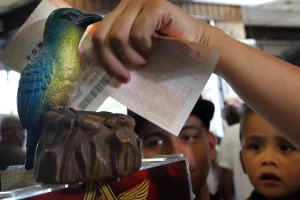
Cultural differences in jackpot celebrations around the world

That moment. The heart-stopping, breath-catching instant when the numbers align. You’ve won. The jackpot is yours. But what happens next? Well, that depends almost entirely on where you are standing on the planet. A lottery win isn’t just a financial transaction; it’s a cultural event, a social script written by centuries of tradition, superstition, and collective values.

Let’s dive into how different cultures celebrate—or deliberately don’t celebrate—a life-changing windfall.

The American spectacle: Go big or go home

In the United States, the jackpot celebration is often a public spectacle. Think about those iconic photos: the winner, in a giant ceremonial check t-shirt, surrounded by beaming family members and lottery officials. It’s a performance of the American Dream itself—tangible proof that anyone can make it. This public display serves a dual purpose: it’s a genuine moment of shared joy and a powerful, free advertisement for the lottery system.

The celebration is typically loud, proud, and focused on the individual’s newfound freedom. Common tropes include:

  • Quitting the job: Often portrayed as the first symbolic act of liberation.
  • Dream purchases: The sports car, the mansion, the boat—symbols of success that are deeply ingrained in the culture.
  • Media tours: Appearing on local news and talk shows to share the story.

Honestly, it’s a narrative of instant transformation. The message is clear: your old life is over, and a new, shinier one has begun.

East Asian discretion: Collective harmony over individual gain

Now, cross the Pacific to countries like Japan, China, or South Korea. Here, the cultural response to a jackpot win is almost the polar opposite. The concept of “saving face” and maintaining group harmony is paramount. A massive, public windfall can be seen as socially disruptive, potentially creating obligation, envy, or even danger.

Winners often go to extreme lengths to remain anonymous. They might wear elaborate disguises—masks, sunglasses, wigs—when claiming their prize. You’ll rarely, if ever, see their real name or face in the media. The celebration, if it happens at all, is intensely private, confined to the immediate family.

Why the secrecy? Well, it’s rooted in Confucian values that emphasize the collective good. Flaunting wealth is considered boastful and can attract the “evil eye” or bad luck. There’s also a strong sense of familial duty; the money isn’t just for the winner, but for the entire family unit, and managing that quietly is seen as responsible.

European pragmatism: A mix of private joy and public ritual

Europe offers a fascinating middle ground. In the UK, for example, winners have the choice to go public or stay private. While some embrace the media spotlight, many opt for anonymity, citing concerns about personal safety and unwanted attention. The celebration itself can be more understated—a nice family holiday, paying off the mortgage, perhaps a reliable new car rather than a flashy Lamborghini.

Head to Spain, and you’ll find a more community-oriented approach. It’s not uncommon for groups of friends, co-workers, or even entire villages to pool money and buy tickets together—a tradition known as “Apuestas Organizadas.” When they win, the celebration is a massive, communal party. The joy is shared, literally and figuratively. The win strengthens social bonds instead of just elevating one individual.

Superstition and spiritual beliefs: The unseen forces at play

Beyond the public/private divide, spiritual beliefs heavily influence celebrations. In many Latin American countries, for instance, a big win isn’t just luck; it’s a blessing. It’s common for winners to give thanks at church or make a pilgrimage to a holy site. There’s a sense that this fortune comes from a higher power, and gratitude is a necessary part of the process.

Rituals to keep the luck flowing

In various cultures, the celebration is intertwined with rituals meant to protect the winner and their new wealth. In parts of Southeast Asia, winners might immediately make a donation to a local temple or perform a ceremony to honor ancestors, ensuring the money brings prosperity, not problems. It’s about balancing the cosmic scales.

Compare that to a more secular, Western approach where the focus is on financial planners and lawyers—a ritual of a different kind, designed to protect against earthly, not spiritual, dangers.

A tale of two jackpots: A quick comparison

Cultural RegionTypical Celebration StyleKey Motivation
United StatesPublic, media-focused, individualisticCelebrating personal achievement and freedom
East AsiaPrivate, anonymous, family-orientedMaintaining social harmony and avoiding envy
Europe (UK)Pragmatic, choice of public/privateSecurity and personal comfort
Spain/Latin AmericaCommunal, festive, spiritualSharing joy and giving thanks

The universal dilemmas

Despite these differences, winners everywhere face similar human dilemmas. Do you tell your family? How do you handle sudden requests for money? The cultural script provides a framework for navigating these choppy waters. In a collectivist culture, the family’s involvement is a given. In an individualistic one, the winner might have to consciously decide to share—or not.

And the pressure is real. A jackpot doesn’t just change your bank account; it tests your relationships and your identity, no matter your postal code.

What your dream celebration says about you

So, what about you? If you imagined winning, is your fantasy a quiet dinner with loved ones or a blow-out bash for three hundred acquaintances? Your answer might reveal more about your own cultural conditioning than you think. That internal picture—the who, the where, the how—is shaped by the stories we’re told about wealth, happiness, and our place in the community.

In the end, a jackpot celebration is a powerful lens. It magnifies the values we hold dearest: individuality or community, open expression or quiet dignity, secular planning or spiritual gratitude. The next time you see a news story about a lottery winner, look past the check. Look at the ceremony. You’re not just seeing a person getting rich; you’re witnessing a culture telling a story about itself.

And the plot, as they say, is always different.

The Evolution of Slot Game Mechanics: From Classic Levers to Digital Dreamscapes

Think about the last time you heard the word “slot machine.” What popped into your head? Was it the iconic image of a one-armed bandit with cherries and bars, its physical reels clunking into place? Or was it a dazzling screen bursting with color, animation, and the promise of a bonus round? Honestly, the journey between those two mental pictures is one of the most fascinating stories in gaming. It’s a tale of technology, psychology, and pure creative fire.

Let’s dive into how slot game mechanics evolved from simple, charmingly clunky machines to the complex, narrative-driven digital experiences we have today.

The Humble Beginnings: Mechanical Marvels

It all started with mechanics. Literally. The first slot machines were entirely physical contraptions. Charles Fey’s Liberty Bell from the late 1800s is the great-granddaddy of them all. Its mechanics were beautifully simple:

  • Physical Reels: Usually three metal hoops with symbols painted on them.
  • A Lever (The Arm): Pulling it set the mechanism in motion, creating that famous “one-armed bandit” nickname.
  • Stoppers and Springs: A complex system of gears, levers, and brakes determined where the reels stopped.

The outcome was purely down to physics. The thrill was tactile—the pull of the lever, the whirring sound of spinning reels, the final, definitive clunk as they settled. Wins were limited by the physical number of symbols on each reel. It was straightforward, honest, and utterly charming in its limitations.

The Electronic Revolution: A Quantum Leap

The next giant leap came with the microchip. In the 1960s and 70s, the invention of the random number generator (RNG) and the move to electronic components changed everything. This was the true pivot point in the evolution of slot game mechanics.

Gone were the physical constraints. Now, a computer chip could generate thousands of random numbers per second. The moment you pressed the spin button, the RNG selected a number that corresponded to a symbol position on a virtual reel. The physical reels on these newer machines were just for show—a comforting visual holdover. The real magic happened inside the machine’s brain.

This shift was monumental. It meant:

  • Bigger Jackpots: Virtual reels could have many more “stops” than physical ones, allowing for much larger, more improbable jackpots.
  • New Features: The first inklings of bonus features appeared. Think “multipliers” or simple “nudge” features.
  • The Button Took Over: The lever became a relic, a nostalgic decoration on the side of a machine that was now run by a microchip.

The Video Slot Era: Where Anything Became Possible

If electronics were a leap, the video screen was a rocket ship to another galaxy. With no need for moving parts at all, game designers were suddenly set free. The entire game existed on a screen, and that meant the evolution of slot game mechanics exploded.

This is where we saw the birth of the features we know and love today:

  • Wild Symbols: The chameleons of the slot world, substituting for others to create wins.
  • Scatter Symbols: These buddies pay anywhere on the reels and usually trigger the main event…
  • Bonus Rounds: Free spins, pick-and-click games, interactive mini-games. This is where slots stopped being just about spinning and started telling stories.
  • Multiple Paylines (and Ways to Win): Instead of one line across the middle, games offered 5, 20, even 100 ways to win.

The Modern Digital Playground: Beyond the Reels

Today’s online slots are less like machines and more like interactive entertainment portals. The mechanics have become deeply sophisticated, focused on engagement and immersion. Here’s what defines the current era of slot mechanics:

Megaways and Beyond

Mechanics like the Megaways engine completely dismantled the traditional payline structure. Instead of fixed reels, each spin can change the number of symbols that appear, creating thousands, sometimes hundreds of thousands, of ways to win. It’s a mechanic that makes every single spin feel wildly unpredictable.

Cascading Reels and Avalanches

Also known as the “tumbling reels” feature, this mechanic removes winning symbols after a payout and drops new ones into place, allowing for multiple wins from a single spin. It creates a fantastic sense of momentum and excitement.

Elaborate Narrative and Thematic Integration

Modern mechanics are woven into a game’s story. Bonus rounds aren’t just random picks; they’re quests, journeys, or chapters in a tale. You’re not just trying to win money; you’re helping a character complete a mission. The mechanic serves the story, and the story elevates the mechanic.

Branded Experiences and Collabs

From movies and TV shows to rock bands and video games, licensing is huge. The mechanics are often tailored to fit the brand—a slot based on a game show will mimic its mechanics, one based on a horror film will have suspenseful, jump-scare-like features.

A Quick Comparison: Then vs. Now

FeatureClassic SlotsModern Video Slots
Core MechanicPhysical reels, springs, leversRNG, digital video software
Player InteractionPull lever, waitTap screen, trigger bonuses, make choices
ComplexityLow (1 payline, simple wins)Extremely High (1000s of ways, complex features)
Key InnovationThe lever and mechanical brakeThe Random Number Generator (RNG)
ExperienceTactile, simple, repetitiveImmersive, narrative, varied

So, What’s Next? The Future of Slot Mechanics

It’s crazy to think about where we go from here. The evolution of slot game mechanics shows no sign of slowing down. We’re already seeing the edges of new frontiers:

  • Virtual Reality (VR) Slots: Imagine not just watching the reels spin, but stepping inside the casino or the game’s universe. The mechanics would become fully 3D and environmental.
  • Skill-Based Elements: To attract a new generation of gamers, some slots are incorporating tiny skill-based bonus games, where the outcome isn’t just left to chance.
  • Blockchain and Provably Fair Gaming: Some new platforms are using blockchain technology to allow players to verify the fairness of each spin themselves—a huge shift in transparency.

From the satisfying clunk of a mechanical reel to the heart-pounding animation of a bonus trigger, the core desire remains the same: that thrill of the unknown. The mechanics are just the language, and my goodness, it’s a language that has learned to tell some incredible stories.

The Cultural Significance of Traditional Casino Games in Different Countries

When you think of casino games, you might picture neon lights and the clinking of slot machines. But honestly, that’s just the shiny, modern surface. Dig a little deeper, and you’ll find that these games are often deeply rooted in a country’s history, folklore, and social fabric. They’re not just about winning money; they’re about connection, tradition, and a little bit of magic.

Let’s take a trip around the world and see how traditional games are so much more than just games.

China: Where Luck Isn’t Just a Chance, It’s a Philosophy

In Chinese culture, the concept of luck, or feng shui, is woven into daily life. This is perhaps nowhere more evident than in the game of Pai Gow and, of course, the iconic game of Mahjong.

Pai Gow, played with domino-like tiles, is a beautiful, slow-paced strategy game. It’s a reflection of ancient Chinese philosophies—balance, harmony, and the patient outmaneuvering of an opponent. It’s chess, not checkers.

But Mahjong? Well, Mahjong is a cultural titan. It’s the sound of family. The rhythmic clacking of tiles during a casual game is the soundtrack to countless family gatherings and festivals, especially Chinese New Year. It’s a social engine, a way for generations to connect, share stories, and pass down traditions. Winning is great, sure, but the real prize is the time spent together.

Italy and France: The Birthplace of High-Stakes Elegance

Now, let’s jet over to Europe. In the 17th and 18th centuries, games weren’t played in vast casino halls but in the intimate, opulent salons of the aristocracy. And the king of these salons was Baccarat.

Baccarat: A Game of Silent Prestige

Baccarat wasn’t about loud celebration; it was about cool, calculated sophistication. The game was shrouded in ritual and secrecy, often played in private rooms away from prying eyes. Its appeal wasn’t just the gamble—it was the statement it made. Playing Baccarat meant you were part of an exclusive, moneyed class. This aura of elegance stuck with it, forever linking games like Baccarat to a sense of luxury and high society.

The United States: The All-American Hustle

American culture took the casino game and injected it with a dose of individualism and showmanship. This is perfectly captured by Poker.

Poker isn’t just about the cards you’re dealt. It’s a psychological battlefield. It’s about the “bluff,” the stoic “poker face,” and outsmarting everyone else at the table. This resonated deeply with the American ideals of self-reliance, cunning, and the ability to shape your own destiny. The poker table became a microcosm of the American Dream—where anyone, with enough skill and nerve, could come out on top.

It’s a game born on the Mississippi riverboats and perfected in the dusty saloons of the Old West. It’s pure, unadulterated drama.

Japan: A Study in Grace and Acceptance

In Japan, gambling has a complex history, but traditional games reveal a fascinating cultural mindset. Take Pachinko.

Pachinko parlors are a sensory overload: deafening noise, flashing lights, and rows upon rows of vertical pinball-like machines. It’s hypnotic. While modern Pachinko is a hybrid game, its roots are in traditional pastimes. For many salarymen and women, it’s a form of meditative escape—a way to zone out from the pressures of a conformist society.

It also reflects a cultural relationship with chance. There’s a Japanese concept called “shikata ga nai“—it can’t be helped. It’s an acceptance of forces outside one’s control. In a way, playing a game of chance aligns with this philosophy, a graceful acknowledgment of fate’s role in our lives.

More Than a Game: A Global Tapestry

These stories are just a few threads in a much larger tapestry. Almost every culture has its own game that tells a story about its people.

Country/RegionGameCultural Significance
United KingdomBingoA community hall staple, fostering social connection, especially among older generations.
Spain & Latin AmericaLoteriaA vibrant, picture-based bingo game played at fairs and family parties, often accompanied by catchy rhymes.
Middle EastBackgammon (Tawla)A cornerstone of café culture, a game of strategy and conversation played for hours on end.

What’s the common thread? It’s human connection. Whether it’s family bonding over Mahjong, strangers sharing a tense moment at a poker table, or friends laughing over a Loteria card, these games create a shared experience. They’re a reason to gather, to talk, and to be present with one another.

The Digital Shift: Losing Something?

Here’s the deal: the rise of online casinos is incredible for access and convenience. You can play a hand of blackjack at 3 a.m. in your pajamas. But in this shift to the digital, are we losing the rich, cultural context of these games?

The sound of tiles shuffling. The feel of clay poker chips. The look in your opponent’s eye. These sensory details are part of the tradition. They’re what transform a simple game of chance into a meaningful cultural ritual.

So next time you place a bet, remember—you’re not just playing a game. You’re touching a piece of history, and participating in a story that has been told for centuries around tables just like yours.

Sustainable and Eco-Friendly Poker Accessories: Playing Responsibly

Poker isn’t just about the game—it’s about the experience. And these days, more players are asking: How can we enjoy poker while minimizing our environmental impact? The answer? Sustainable poker accessories. From biodegradable chips to reclaimed wood tables, the green revolution is hitting the felt. Let’s dive in.

Why Sustainable Poker Accessories Matter

Honestly, poker isn’t the first thing that comes to mind when you think of eco-friendly hobbies. But think about it: plastic chips, vinyl card covers, mass-produced tables—it adds up. Here’s the deal:

  • Waste reduction: Traditional poker sets often end up in landfills.
  • Material impact: Plastics and synthetic materials take centuries to decompose.
  • Ethical production: Many eco-friendly brands prioritize fair labor practices.

That said, switching to sustainable accessories isn’t just good for the planet—it elevates your game. Imagine shuffling cards made from recycled fibers or betting with chips crafted from compressed bamboo. Feels different, right?

Top Eco-Friendly Poker Accessories

1. Biodegradable Poker Chips

Forget cheap plastic. Modern eco-chips are made from materials like:

  • Bamboo: Lightweight, durable, and naturally antimicrobial.
  • Recycled clay composite: Mimics the feel of casino-grade chips without the environmental toll.
  • Plant-based resins: Breaks down naturally—no microplastics left behind.

Some brands even offer chips embedded with wildflower seeds. Toss them in soil when you’re done, and they’ll sprout into blooms. Talk about a full-circle moment.

2. Recycled or FSC-Certified Playing Cards

Standard playing cards? Usually plastic-coated and non-recyclable. Sustainable alternatives include:

  • 100% recycled paper: Paired with plant-based inks for vibrant designs.
  • FSC-certified paper: Sourced from responsibly managed forests.
  • Hemp-based cards: Durable, shuffle-friendly, and compostable.

Pro tip: Look for brands that use water-based coatings instead of plastic laminates. They’ll still handle like a dream.

3. Reclaimed Wood Poker Tables

A poker table is the centerpiece of any game. Why not make it a statement? Reclaimed wood tables offer:

  • Unique character: Each table tells a story—think barn wood or salvaged oak.
  • Low environmental impact: No new trees cut down.
  • Durability: Aged wood is often sturdier than fresh lumber.

Pair it with a felt made from organic cotton or recycled polyester, and you’ve got a table that’s as kind to the Earth as it is to your elbows.

4. Organic Cotton or Hemp Table Covers

Vinyl table covers? Pass. Organic cotton or hemp covers are:

  • Breathable: No sticky, sweaty hands during intense rounds.
  • Washable: Toss ’em in the machine—no harsh chemicals needed.
  • Biodegradable: They’ll return to the Earth, not a landfill.

How to Choose the Right Sustainable Poker Gear

Not all “green” products are created equal. Here’s what to look for:

FeatureWhat to Check
MaterialsAvoid “greenwashed” terms. Look for specifics like “post-consumer recycled” or “certified compostable.”
DurabilityEco-friendly shouldn’t mean flimsy. Read reviews for longevity.
CertificationsFSC, GOTS, or B Corp labels add credibility.
PackagingMinimal, plastic-free, or reusable packaging is a plus.

And hey—sometimes the most sustainable option is the one you already own. Upgrading? Donate or repurpose your old set instead of trashing it.

The Future of Green Poker

Honestly, we’re just scratching the surface. Innovations like algae-based plastics for chips and solar-powered card shufflers are on the horizon. The trend? Poker that’s as smart as it is sustainable.

So next time you’re all in, ask yourself: Could my game leave a lighter footprint? The cards—and the planet—might just thank you.

How Regional Betting Trends Differ Across Global Markets

Ever noticed how betting feels like a different sport depending on where you are? In some places, it’s all about horse racing and tea-stained betting slips. In others, it’s flashy eSports arenas and live-betting apps buzzing nonstop. The world of gambling isn’t just divided by laws—it’s shaped by culture, history, and even local superstitions. Let’s break it down.

Europe: The Old-School Heavyweight

Europe’s betting scene is like a vintage wine—steeped in tradition but constantly evolving. Here’s what stands out:

  • Football (Soccer) Dominance: Over 70% of bets in the UK and Germany revolve around football. Derby matches? Cup finals? The markets go wild.
  • High-Stakes Regulation: The UK’s Gambling Commission sets strict rules, while Sweden’s state-owned operator, Svenska Spel, keeps things tight.
  • In-Play Craze: Live betting’s huge, especially in Spain and Italy, where punters love hedging mid-match.

Funny enough, Scandinavians prefer low-key, anonymous betting—no flashy ads—while the British treat betting shops like social clubs.

North America: The New Kid on the Block

Legal sports betting in the U.S. exploded after PASPA’s repeal in 2018. Canada? Well, they’ve got their own quirks.

U.S. Trends

  • Mobile-First Mania: 80% of bets in New Jersey are placed via apps. Convenience wins.
  • Super Bowl Frenzy: The single biggest betting event—$150+ million wagered legally in Nevada alone (and that’s just the tip of the iceberg).
  • Prop Bets Rule: Americans love quirky wagers—like predicting the Gatorade color dumped on the winning coach.

Canada’s Hybrid Model

Provincial lotteries control most betting, but offshore sites sneak in. Hockey? Obviously. But surprisingly, CFL (Canadian Football League) bets spike during playoffs.

Asia: The Underground Giant

Here’s where things get… complicated. Strict laws clash with massive demand.

  • China’s Paradox: Officially illegal, yet Macau’s casinos rake in $36 billion yearly. And don’t get started on Hong Kong’s horse racing—it’s a cultural institution.
  • Japan’s Pachinko Loophole: These pinball-like machines skirt gambling laws, generating $200 billion annually. Yeah, billion.
  • Cricket Fever in India: IPL season turns into a betting free-for-all, mostly through underground bookies despite legal restrictions.

Fun fact: Filipinos bet on everything—from cockfights to basketball quarter scores. It’s less about legality and more about what’s happening on the street corner.

Latin America: The Rising Contender

Regulation’s loosening, and the market’s heating up. Brazil’s the crown jewel, but others aren’t far behind.

  • Football (Again): 90% of bets in Argentina revolve around soccer. Messi’s transfer news? Instant market chaos.
  • Brazil’s Boom: Legalization in 2023 sparked a gold rush. Expect 20% annual growth through 2030.
  • Local Flavors: Mexicans love boxing bets, while Colombians mix in tejo (a throwing game) wagers for fun.

Africa: Mobile Money & Micro-Betting

No fancy casinos here—just smartphones and hustle. Kenya leads with mobile betting penetration at 60%.

  • South Africa’s Odd Exception: Sports betting’s legal, but online casinos? Nope. Yet locals VPN around it daily.
  • Nigeria’s Youth Wave: Under-30s dominate, betting small amounts frequently. A $0.50 bet on English Premier League? Standard.
  • Ghana’s Lottery Obsession: “Lotto kiosks” outnumber ATMs in some towns. It’s less about winning big and more about hoping small.

Oceania: Pokies & Punters

Australia’s the undisputed king of per-capita gambling. How? Two words: poker machines.

  • Aussie Rules: 40% of adults bet monthly. The Melbourne Cup? Basically a national holiday with $300 million wagered.
  • New Zealand’s Split: Sports betting’s legal through TAB, but online casinos are banned—though Kiwis happily ignore that.

And yes, Australians bet on kangaroo races. No, we’re not joking.

The Big Picture

What’s wild is how these trends reflect deeper cultural quirks. Americans want entertainment, Europeans crave tradition, and Asians navigate legality like a stealth game. One thing’s clear: betting isn’t just about money—it’s about identity, risk, and sometimes, pure chaos. Where does your region fit in?

Niche Jackpot Games Catering to Underserved Demographics

Let’s be honest—most casino games follow the same tired formula. Flashy slots, predictable themes, and jackpots that appeal to… well, the usual crowd. But what about players who don’t see themselves reflected in those reels? That’s where niche jackpot games come in—quietly revolutionizing the industry by targeting demographics often left on the sidelines.

Why Underserved Demographics Matter

You know that feeling when you walk into a room and nothing’s designed for you? That’s how many players feel in traditional online casinos. But here’s the deal: ignoring these groups means leaving money on the table. Consider these stats:

  • Over 60% of LGBTQ+ gamers say they’d spend more on platforms that cater to their identity.
  • Players aged 50+ account for 35% of online casino traffic—yet most games skew young.
  • Neurodivergent players often abandon games due to sensory overload from chaotic designs.

Unexpected Niches Winning Big

1. Culturally Specific Jackpots

Ever seen a Diwali-themed progressive jackpot? Or a slot celebrating Juneteenth? These aren’t just novelty acts—they’re tapping into deep cultural connections. For example:

GameDemographicJackpot Peak
“Lunar Fortune”Asian diaspora$2.4M (during CNY)
“Fiesta Grande”Latinx players$1.8M (Cinco de Mayo)

The key? Authenticity matters. A generic “Asian-themed” slot with dragons won’t cut it—details like red envelope bonuses or mariachi wilds show real understanding.

2. Accessibility-First Designs

For players with disabilities, most games are a minefield. But innovators are changing that:

  • Color-blind modes that replace red/green with high-contrast symbols
  • Adjustable animation speeds for neurodivergent players
  • Haptic feedback jackpot alerts for hearing-impaired users

Fun fact: A Swedish operator saw a 22% retention boost after adding these features.

3. The “Silver Gamer” Boom

Retirees have time, disposable income, and—contrary to stereotypes—tech savvy. Niche games for this group often feature:

  • Larger text and simpler interfaces
  • Nostalgic themes (60s music, classic TV)
  • Community leaderboards for social connection

One Bingo variant with bigger buttons and Motown soundtracks became a surprise hit in Florida retirement communities.

How Developers Are Getting It Right

It’s not just about slapping a new coat of paint on old mechanics. Successful niche jackpot games:

  1. Involve the community early—Beta testing with actual members of the target demographic
  2. Go beyond visuals—Gameplay mechanics that resonate culturally (e.g., communal prize pools for collectivist cultures)
  3. Partner with influencers—Not just celebrities, but trusted voices within niche communities

A Caribbean-themed jackpot game flopped until developers added dominoes mini-games—a subtle nod to local pastimes.

The Road Ahead

As VR casinos and metaverse integrations grow, the opportunity for hyper-niche experiences explodes. Imagine:

  • ASMR jackpot triggers for anxiety-prone players
  • Localized slang in voiceovers (a Texas hold’em game that says “y’all” correctly)
  • Micro-jackpots tied to regional holidays

The jackpot isn’t just the money—it’s feeling seen. And that’s a win no algorithm can quantify.

Emerging Technologies Shaping the Future of Online Jackpot Games

Let’s be honest—online jackpot games aren’t what they used to be. Gone are the days of clunky graphics and predictable mechanics. Today, cutting-edge tech is rewriting the rules, making jackpots bigger, fairer, and way more immersive. Here’s the deal: if you’re curious about where this industry’s headed, you’ll want to keep reading.

1. Blockchain & Smart Contracts: Trust in Every Spin

Ever wondered how casinos prove their games aren’t rigged? Blockchain’s answering that. By recording every transaction on a public ledger, players can verify fairness—no shady backdoors. And smart contracts? They automate payouts, so winners get their cash instantly. No waiting, no excuses.

Key perks:

  • Transparency: Every spin’s outcome is traceable.
  • Speed: Payouts happen in seconds, not days.
  • Security: Hackers? Good luck tampering with a decentralized system.

2. AI & Machine Learning: The Ultimate Game Changer

AI isn’t just for chatbots. In jackpot games, it’s personalizing experiences like never before. Think dynamic difficulty adjustments—keeping games challenging but not impossible. Or fraud detection that spots shady behavior before it ruins the fun. And yeah, some platforms even use AI to predict (and boost) jackpot sizes based on player trends.

Where AI shines:

  • Personalized bonuses: Tailored rewards based on your play style.
  • Fairness algorithms: Ensuring no player gets unfairly lucky—or unlucky.
  • Predictive analytics: Bigger, smarter jackpots that grow at the right pace.

3. Virtual Reality (VR): Jackpots You Can Almost Touch

Imagine stepping into a virtual casino, hearing the slots clink, watching the jackpot ticker climb—all from your couch. VR’s making that happen. Platforms like SlotsMillion already offer VR jackpot rooms where you can high-five other players (virtually, of course) after a big win. It’s social, it’s sensory, and honestly? It’s addictive.

Why VR matters:

  • Immersion: You’re not just clicking buttons—you’re there.
  • Social play: Chat with friends (or rivals) in real time.
  • New game mechanics: Think 3D bonus rounds or interactive jackpot triggers.

4. Cryptocurrencies: Faster, Borderless Wins

Bitcoin, Ethereum, and other cryptos are reshaping payouts. No more currency conversions or bank delays. Plus, anonymity appeals to players who prefer keeping their wins low-key. Some jackpots are even denominated purely in crypto—meaning prizes can skyrocket with market trends. Risky? Maybe. Exciting? Absolutely.

Crypto perks:

  • Global access: Play and cash out from anywhere.
  • Lower fees: Skip the middleman (and their cuts).
  • Volatility wins: That 1 BTC jackpot could be worth double tomorrow.

5. 5G & Cloud Gaming: No Lag, All Jackpot

Buffering during a jackpot spin? Unacceptable. 5G’s lightning speeds and cloud gaming mean seamless play, even on mobile. Platforms like NetEnt are already streaming high-def games straight to devices—no downloads, no storage headaches. For jackpot hunters, that means more spins, less waiting.

The 5G edge:

  • Instant play: Launch games in seconds, even on weak devices.
  • Live jackpots: Real-time updates with zero delay.
  • Multiplayer modes: Compete for jackpots with players worldwide, smoothly.

6. The Metaverse: Jackpots in New Worlds

Decentraland and Sandbox are blurring lines between gaming and gambling. Picture this: you’re exploring a virtual city, stumble on a casino, and join a progressive jackpot pool with other avatars. The prize? Digital assets, crypto, or even real-world goods. It’s wild, but it’s coming—fast.

Metaverse potential:

  • NFT jackpots: Win unique, tradable digital items.
  • Cross-game prizes: Jackpots that span multiple virtual worlds.
  • Community-driven wins: Shared jackpots funded by player activities.

The Bottom Line: Jackpots Are Evolving—Fast

From AI tailoring your odds to VR making wins feel real, tech’s turning jackpots into something beyond just luck. Sure, the core thrill’s the same—but how we play, win, and even experience those wins? That’s changing by the day. One thing’s clear: the future of online jackpots isn’t just digital. It’s smarter, smoother, and way more interactive.

1 2 3