
Sustainable and Ethical Betting Practices for Conscious Gamblers
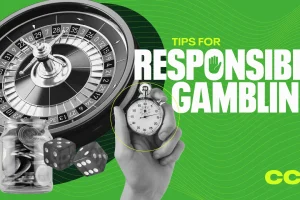
Let’s be honest — gambling has a bit of a reputation problem. And, well, it’s not entirely undeserved. For decades, the industry thrived on impulse, excess, and a “what happens in Vegas” mentality that left a lot of people worse off. But something’s shifting. A new kind of bettor is emerging: the conscious gambler. Someone who enjoys the thrill without losing the plot. Someone who wants to bet sustainably — for their wallet, their mental health, and, yeah, even the planet and the people around them.
If that sounds like you, welcome. This isn’t a lecture. It’s a roadmap.
What “Sustainable Betting” Actually Means
Here’s the deal: sustainability in gambling isn’t just about the environment. Sure, paper tickets and energy-hungry data centers matter. But the bigger picture? It’s about three pillars:
- Personal sustainability — betting within your means, emotionally and financially.
- Social sustainability — choosing operators that treat people fairly and give back.
- Environmental sustainability — supporting platforms that reduce waste and carbon footprint.
Miss one, and the whole thing wobbles. Like a three-legged stool. You need all of them.
The Conscious Gambler’s Mindset
Before we get into the nitty-gritty of apps and ethics, let’s talk mindset. Because, honestly, no amount of “green” betting will help if your head isn’t in the right place.
Conscious gambling starts with a simple question: Am I betting to enjoy, or am I betting to escape? The first is fine. The second? That’s a red flag. A big one.
Set limits before you log in. Not after you’ve lost three hands in a row. Use the tools casinos and sportsbooks offer — deposit caps, time-outs, session reminders. They exist for a reason. And if a platform doesn’t offer them? That’s your sign to walk away.
Ethical Operators: How to Spot Them
Not all betting sites are created equal. Some are predatory. Others are… well, trying. Here’s what to look for:
| Green Flag | Red Flag |
|---|---|
| Licensed by a reputable authority (UKGC, MGA) | No license or vague “offshore” claims |
| Publishes responsible gambling tools | Hides limits deep in settings |
| Transparent odds and payout terms | Confusing bonus wagering requirements |
| Supports harm-reduction charities | Aggressive “chase your losses” ads |
Also — and this is important — check who owns them. Some big names are owned by parent companies with questionable track records. A quick search can save you a lot of regret.
Green Betting: The Environmental Angle
You might be thinking, “Come on, how much carbon can a bet really produce?” More than you’d guess. Online betting runs on servers. Those servers need electricity. And live sports betting? It’s a data hog.
But here’s the good news: some operators are switching to renewable energy, offsetting their emissions, and even partnering with environmental nonprofits. Look for certifications like CarbonNeutral® or Green Web Foundation badges. It’s not perfect, but it’s progress.
And hey — betting digitally instead of driving to a casino? That’s already a win for the planet. Small steps, right?
Financial Sustainability: The Bankroll Rule
Let’s get practical. You can’t bet sustainably if you’re betting rent money. Period.
A simple rule: never bet more than 1–2% of your disposable income in a single session. And disposable means after bills, savings, and groceries. Not “what’s left in my checking account.”
Track your bets. Not to obsess — just to see patterns. Are you chasing losses? Betting more when you’re stressed? A simple spreadsheet or app like BetBlocker can help. It’s like a fitness tracker, but for your wallet.
Social Responsibility: More Than a Buzzword
Ethical betting also means thinking about the wider community. Does your chosen platform fund gambling addiction helplines? Does it ban credit card deposits (a huge harm-reduction move)? Does it treat its affiliates fairly?
And here’s a thought: if you win big, consider donating a slice to a local charity. Not required. Not saintly. Just… nice. It keeps the ecosystem balanced.
When to Walk Away (And How)
Even the most conscious gambler has bad days. The difference is knowing when to stop. Signs it’s time for a break:
- You’re hiding bets from loved ones.
- You feel anxious or irritable when not betting.
- You’ve broken your own limits more than once.
- Betting feels like a job, not fun.
Walking away isn’t failure. It’s wisdom. Use self-exclusion tools if needed. Talk to someone. The National Council on Problem Gambling (1-800-522-4700) is there 24/7.
Final Thoughts: Betting with Your Eyes Open
Sustainable, ethical betting isn’t about being perfect. It’s about being present. Aware. Intentional. You’re going to make mistakes — we all do. But if you keep the three pillars in mind (personal, social, environmental), you’ll bet in a way that feels good long after the final whistle.
And that, honestly, is the real jackpot.