
Historical Jackpot Winners: The Long, Strange Trip of Sudden Wealth
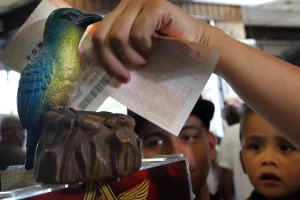
We’ve all daydreamed about it, haven’t we? The confetti, the oversized check, the life-changing phone call. Winning a massive lottery jackpot seems like the ultimate “happily ever after.” But history tells a different, far more complicated story. It’s a tale of euphoria, yes, but also of immense pressure, bewildering choices, and sometimes, heartbreaking loss.
Let’s dive into the long-term case studies of historical jackpot winners. We’re not just talking about the headlines from last year. We’re looking back decades to see what wealth management outcomes really look like when the cameras are gone and reality sets in. The patterns that emerge are, honestly, more instructive than any get-rich-quick scheme.
The Two Extremes: Cautionary Tales and Quiet Successes
Pop culture loves the dramatic flame-out. And sure, there are plenty. But for every winner who ends up bankrupt, there’s another living a comfortable, low-key life. The difference almost always boils down to mindset and structure—or the brutal lack of it.
Case Study 1: The “Curse” Narrative (And Why It’s Incomplete)
Names like Jack Whittaker (the $315 million Powerball winner in 2002) or Andrew “Jack” Whittaker (see, even his name gets confused in the chaos) dominate the “curse” lore. His story is a tough one: lawsuits, thefts, family tragedies, and financial decline. It’s a stark lesson in what happens when sudden wealth meets a pre-existing lifestyle with no guardrails.
But labeling it a “curse” lets us off the hook. It suggests magic, not math. The real issues were a total lack of long-term financial planning, an inability to say “no,” and no team to provide objective advice. The money amplified his existing life; it didn’t create a new one.
Case Study 2: The Anonymous Strategist
On the flip side, consider the winners you’ve never heard of. Like the 1998 $150 million Powerball winner from Michigan who took the annuity. He hired a top-tier attorney and a fee-only financial advisor before even claiming the ticket. His strategy? Live off the annual payments, invest conservatively, and keep his job for a few years for structure.
His outcome? Decades later, his wealth has grown steadily. He funded his kids’ educations, donated to causes he cared about, and avoided the spotlight. His case study is boring—and that’s the point. Effective post-lottery wealth management is often profoundly unsexy.
The Critical Crossroads: Decisions in the First 90 Days
The initial choices are everything. They set a trajectory that’s incredibly hard to change. Here’s what the historical data shows winners had to decide, often while in a state of shock.
- Lump Sum vs. Annuity: The big one. The lump sum is smaller upfront but offers control. The annuity provides forced discipline and a steady stream. Most who ended up bankrupt took the lump sum with no plan. Many long-term successes either took the annuity or treated the lump sum like an annuity, parceling it out carefully.
- Anonymity vs. Fame: Where possible, anonymity is a massive protective shield. It filters out the opportunists and lets you breathe. Public winners are immediately thrust into a circus of requests and risks.
- The Team Assembly: This isn’t a DIY moment. The winners who thrived hired an estate planning attorney, a CPA with high-net-worth experience, and a fiduciary financial advisor—before claiming the ticket. They paid for this expertise, and it paid back a thousandfold.
Wealth Preservation Tactics That Actually Worked
Looking across decades of outcomes, a few practical tactics consistently separated the survivors from the casualties.
| Tactic | Why It Mattered | Real-World Example |
| The “Do Not Touch” Period | Placed funds in a safe, liquid account for 6-12 months. Allowed emotional fog to clear before major decisions. | One 1980s winner parked his money in Treasuries for a full year. He avoided impulsive buys and learned about finance. |
| Budgeting for “Fun Money” | Carved out a specific, small percentage for immediate splurges. Satisfied the itch without torching the capital. | A couple in the early 2000s allocated 2% for a dream vacation and new cars. Then, they focused. |
| Creating a Family Governance Plan | Set clear rules for family gifts/loans. Prevented entitlement and endless requests that drain wealth and relationships. | A winner established a formal family trust with an independent trustee to handle requests—taking the emotional pressure off. |
| Diversifying Beyond the Obvious | Moved beyond just stocks/bonds into things like municipal bonds (for tax-free income), direct real estate, and private equity. | This provided tax efficiency and insulation from market volatility that can panic inexperienced investors. |
The Psychological Tax: An Often-Overlooked Outcome
You know, the financial management is one thing. But the psychological impact of winning the lottery is its own beast. Long-term winners often speak of a profound isolation—a loss of purpose, strained relationships, and a nagging anxiety about being “found out” or making a mistake.
Some of the most successful outcomes involved winners who invested in their psychological well-being: hiring a therapist, connecting with other winners (anonymously) for peer support, or deliberately anchoring their life to a hobby, charity, or part-time work that provided meaning beyond the balance sheet.
Modern Lessons from Historical Payouts
So what’s the takeaway for today? The principles are timeless, but the tools have evolved. The pain point of losing privacy is more acute than ever in the digital age. Yet, the resources for asset protection and estate planning are also more sophisticated.
The core lesson from these long-term case studies isn’t about finance. It’s about identity. The money arrives in an instant, but building a life that can healthily contain it? That’s a slow, intentional project. The winners who navigated it best were the ones who used their wealth as a tool for security and impact, not as an extension of their ego.
They understood that the real jackpot wasn’t the headline number. It was the freedom to choose a future—and the wisdom to build it slowly, brick by careful brick.